

Understanding the psychological impacts of gambling on decision-making
The Nature of Gambling and Its Psychological Appeals
Gambling has long fascinated individuals due to its inherent unpredictability and the thrill it offers. The psychological allure of gambling stems from the possibility of winning big while experiencing excitement and a temporary escape from reality. For many, it becomes a form of entertainment that stimulates adrenaline and engages the mind in ways that other leisure activities may not. This excitement can lead to repetitive behavior, as the brain releases dopamine, the neurotransmitter associated with pleasure, when one wins or even when anticipating a win. If you’re interested in quick transactions and swift entertainment, exploring payid casinos might be an excellent choice for your gaming adventures.
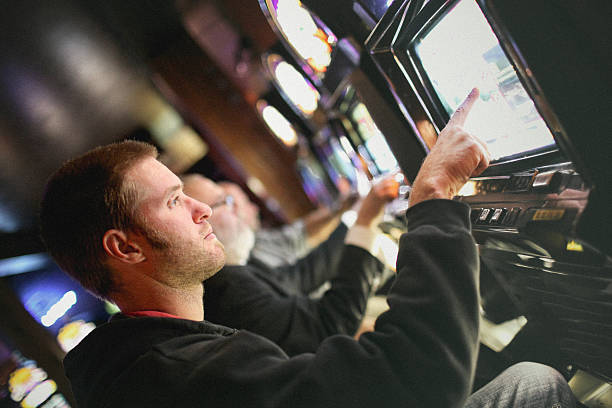
Moreover, the environment of a casino or online gambling platform plays a significant role in shaping decision-making. The sounds, lights, and visual stimuli are designed to create a captivating atmosphere that encourages players to stay longer and gamble more. This sensory overload can impair judgment, leading to poor decision-making as individuals become more focused on the thrill than the rationality of their actions. Understanding these factors is crucial for both gamblers and those looking to support them in making informed choices.
The psychological impacts of gambling extend beyond mere excitement; they can lead to cognitive distortions that affect decision-making. Gambler’s fallacy, for example, is a common misconception where individuals believe that past events will influence future outcomes. This can lead players to chase losses, believing that a win is due after a series of losses. Awareness of these psychological traps is essential for responsible gambling, as they can distort reality and lead to detrimental decisions.
The Role of Risk and Reward in Decision-Making
The concept of risk and reward is central to gambling, significantly influencing how individuals make decisions. Many gamblers operate under a “high-risk, high-reward” mentality, often ignoring the reality of odds and probabilities. This mentality can lead to impulsive decisions, where the thrill of potential rewards overshadows logical thinking. The anticipation of winning can cloud judgment, resulting in a willingness to stake larger amounts than intended.
This skewed perception of risk often leads players to underestimate the probability of losing, which is frequently higher than they believe. As a result, they may pursue aggressive strategies that can lead to significant financial losses. Cognitive biases, such as optimism bias, further exacerbate this issue, as individuals tend to believe they are less likely to experience negative outcomes compared to others, thus fueling reckless gambling behavior.
Understanding how the brain processes risk and reward is vital for improving decision-making in gambling contexts. Educating players on the actual odds, fostering a critical approach to evaluating risk, and promoting self-awareness can help combat these biases. Such knowledge empowers individuals to make informed choices and encourages a more sustainable approach to gambling, ultimately enhancing their overall experience.
The Impact of Emotional States on Gambling Decisions
Emotions play a significant role in decision-making, particularly in gambling scenarios. Players often experience a rollercoaster of emotions that can influence their choices and lead to irrational behavior. For instance, individuals who gamble when they are stressed or anxious may engage in riskier behavior as they seek relief from negative emotions. This emotional state can distort their judgment, making them more likely to chase losses or ignore their financial limits.
Conversely, winning can create an emotional high that may lead to overconfidence, prompting players to make larger bets or increase their gambling frequency. This shift in emotional state can create a feedback loop where the excitement of winning encourages further gambling, despite the underlying risks. Understanding this connection between emotion and decision-making is essential for promoting responsible gambling practices.
Recognizing the emotional triggers that influence gambling behavior can help individuals develop better coping strategies. By fostering emotional intelligence and encouraging mindful gambling practices, players can learn to manage their emotions effectively. This awareness can lead to healthier gambling habits and reduce the likelihood of engaging in detrimental decision-making driven by emotional states.
The Social Influence of Gambling on Decision-Making
The social context in which gambling occurs can significantly impact decision-making processes. Peer pressure, social norms, and cultural attitudes toward gambling can all shape how individuals approach this activity. For instance, in environments where gambling is celebrated, individuals may feel encouraged to take risks they would otherwise avoid. This social validation can lead to a disconnection from personal limits and values, resulting in poor decision-making.
Additionally, the presence of others can heighten emotional responses and amplify the excitement associated with gambling. Social interactions, whether in a physical casino or online gaming platform, create a communal atmosphere that can lead individuals to make more impulsive decisions. The desire to fit in or impress others can override rational thinking, pushing players to engage in high-stakes gambling or reckless behaviors they might not consider alone.
To navigate these social influences effectively, individuals must cultivate awareness of their motivations and the pressures they face. Engaging in open discussions about gambling within social circles can help demystify the activity and promote healthier attitudes. By understanding the social dynamics at play, individuals can make more informed decisions and resist negative influences that may lead to harmful gambling behaviors.

Conclusion and Resources for Responsible Gambling
Understanding the psychological impacts of gambling on decision-making is crucial for fostering healthier habits and preventing harmful behavior. By recognizing the emotional, cognitive, and social factors that influence gambling choices, individuals can develop strategies to improve their decision-making processes. Education plays a key role in this journey, as informed players are better equipped to resist cognitive distortions and manage their gambling experiences responsibly.
As you delve into the world of gambling, consider utilizing available resources aimed at promoting responsible practices. Websites and organizations dedicated to supporting individuals in understanding the psychological aspects of gambling provide essential tools and insights. By prioritizing education and self-awareness, you can enhance your decision-making abilities and enjoy a safer, more rewarding gambling experience.