

Experience Real Casino Action With Live Dealers Online
Live dealer casino bridges the gap between online play and the authentic brick-and-mortar experience by streaming real tables with human dealers in real time. Players interact with both the dealer and other participants through a live chat feature, all while placing bets digitally on a fully immersive gaming platform. This format delivers the transparency of physical cards and wheels, combined with the convenience of accessing the action from any device. The key benefit is a social, trust-based environment where outcomes are determined by actual human decisions, not computer algorithms.
How Real-Time Table Games Changed Online Gambling
Real-time table games transformed online gambling by bridging the gap between virtual and physical casinos. Live dealer casinos introduced HD video streams of actual human dealers, replicating the authentic atmosphere of a land-based gaming floor. This shift eliminated the randomness of RNG-based play, allowing users to engage with real cards, wheels, and dice in real time. Players now interact directly with dealers and fellow participants via chat, creating a social dynamic absent from standard digital tables. The practical impact is immediate trust: seeing a human shuffle or spin builds confidence in fairness. This evolution made real-time table games the default choice for players seeking transparency, immersion, and the visceral thrill of a live environment from their home.
The Shift from RNG to Human-Hosted Gaming
The shift from RNG to human-hosted gaming fundamentally altered player trust. Previously, software determined blackjack outcomes via a pseudo-random algorithm, leaving players skeptical about manipulation. Live dealer rooms replaced this with real humans handling physical cards or roulette wheels. This shift from RNG to human-hosted gaming introduces a verifiable, tactile element. The logical sequence is:
- Players watch a dealer shuffle and deal in real time, bypassing algorithm-based results.
- Outcomes stem purely from physics (e.g., ball spin) or manual actions, not code.
- Trust is rebuilt through visible, consistent human interaction rather than abstract calculations.
This transition also changed betting psychology; players now react to a dealer’s pace and table rhythm instead of an automated timer.
Why Players Trust a Real Card Shuffle Over an Algorithm
In live dealer casinos, players inherently trust a real card shuffle because it removes the black-box suspicion of RNG manipulation. This psychological anchor stems from watching a human dealer physically mix the deck, a tactile process that feels verifiable. Unlike an algorithm, which can seem like a hidden code acting against the player, a manual shuffle offers visible randomness. Seeing the cards move builds a perception of fairness that code simply cannot replicate. This direct observation eliminates doubt, making every hand feel like a genuine contest of chance rather than a predetermined outcome.
Players trust a real card shuffle over an algorithm because it offers visible, human-controlled randomness that feels authentic and eliminates suspicion of digital manipulation.
Key Components of a Top-Tier Streaming Studio
A top-tier live dealer casino streaming studio relies on seamless, high-fidelity production gear as its backbone. Multiple 4K PTZ cameras, positioned for crystal-clear dealer close-ups and wide table views, eliminate any sense of digital lag or motion blur. The studio’s lighting grid is calibrated to banish harsh shadows, ensuring card ranks and chip stacks are instantly readable.
Direct optical fiber lines to the server core guarantee sub-second shuffles and zero stream-breaking latency, making every spin and deal feel immediate.
Sound isolation panels and directional microphones capture the dealer’s voice and the tactile click of cards, while a robust chat overlay system displays clear table limits and bet history without cluttering the player’s view.
Lighting, Camera Angles, and High-Definition Feeds
In a top-tier live dealer casino, multi-camera high-definition feeds are essential, employing strategic camera angles to eliminate visual dead zones. Overhead and low-angle shots capture the dealer’s hands, shoe, and chip tray simultaneously, while adjustable studio lighting—typically diffused LED arrays—prevents harsh shadows on the table’s felt and card faces. This precise illumination ensures consistent color reproduction under 4K resolution, enabling sharp, artifact-free streams. Subtle backlighting on the dealer’s position further delineates suit colors, aiding rapid hand recognition.
Lighting, camera angles, and high-definition feeds converge to deliver immersive, visually flawless gameplay by eliminating glare, optimizing table visibility, and streaming 4K resolution without latency.
The Role of Dedicated Tables and Custom Equipment
Dedicated tables in a live dealer casino are engineered for flawless camera integration, featuring built-in chip trays and card shoe positions that eliminate dealer fumbling. Custom equipment, such as RFID-reading roulette wheels, ensures real-time bet verification without human error. Every surface, from felt color to table height, is optimized for specific game angles. This precise calibration prevents glare and movement inconsistencies that disrupt immersion. Without bespoke tables and dealer-focused gear, even the best streaming software cannot produce a credible casino floor illusion.
| Component | Role |
|---|---|
| Dedicated Tables | Fixed camera mounts, uniform lighting, and silent auto-shufflers |
| Custom Equipment | Optical sensors, weighted chips, and dealer-feedback screens |
Understanding the Technology Behind Remote Tables
The dealer’s shuffle is crisp, audible through studio-grade microphones, but the real magic begins when Understanding the Technology Behind Remote Tables reveals how that card’s image reaches you. Multiple 4K cameras capture every angle, streaming raw footage to a central encoder that compresses it into milliseconds of latency. This video feed, synchronized with optical character recognition software, instantly reads the card’s rank and suit, updating the digital interface on your screen. Meanwhile, haptic sensors on the shoe trigger a data packet that matches your bet—placed seconds before—with the exact outcome. It’s a seamless loop of optics, compression, and real-time parsing, ensuring your view never lags behind the felt.
Optical Character Recognition and Game Logic
Optical Character Recognition, or OCR for live dealer casino accuracy, scans the physical table in real-time, converting dealer actions like card values or roulette numbers into digital data. This data feeds directly into the game logic, which instantly determines outcomes, updates your balance, and calculates payouts. Without this seamless handoff, the game would lag or misinterpret a shuffle, breaking the immersion. The logic also enforces betting rules and timing, ensuring every virtual chip placed mirrors the physical deal.
OCR captures what happens on the table, and game logic translates it into a fair, instant digital experience.
Low-Latency Streaming vs. Buffering Issues
Low-latency streaming in live dealer casinos minimizes the delay between dealer action and user display, preserving real-time game flow. Buffering issues arise when network instability forces the video player to preload data, causing momentary freezes that disrupt hand timing. Aggressive buffering can paradoxically increase latency, as the system prioritizes filling a buffer over live feed continuity. An optimized stream uses adaptive bitrate technology to reduce frame drops without pausing, balancing speed and stability. A poor connection shifts the balance, introducing lag that makes betting windows unreliable.
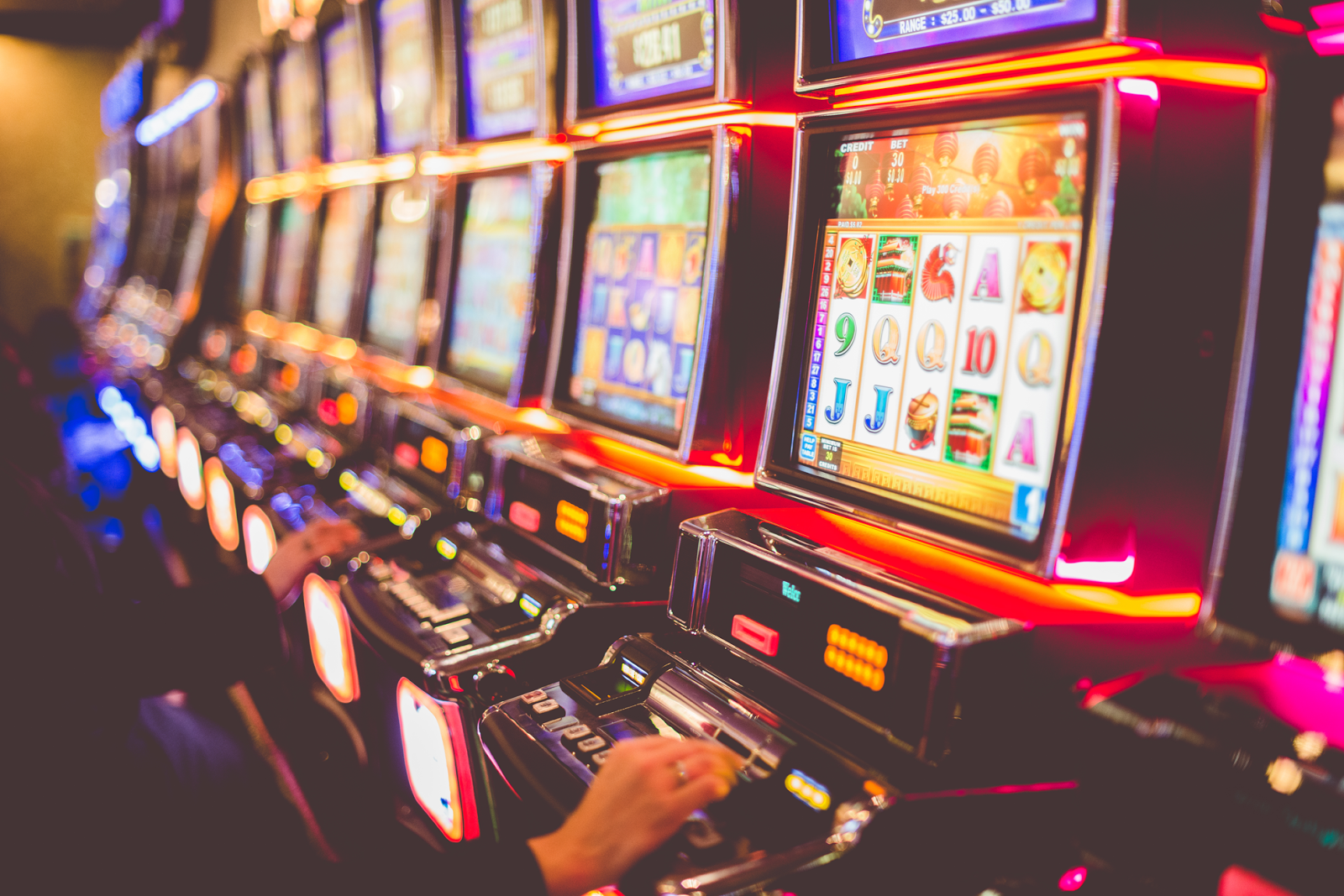
| Aspect | Low-Latency Streaming | Buffering Issues |
|---|---|---|
| Primary Goal | Minimize delay for live interaction | Prevent video stutter at cost of delay |
| User Experience | Immediate dealer response | Frozen frames or slow recovery |
| Network Requirement | Stable, high-speed connection | Moderate speed, inconsistent performance |
Security Protocols in Uninterrupted Play
Security protocols in uninterrupted play hinge on continuous, real-time encryption streaming the dealer’s video feed directly to your device without buffering. This prevents signal hijacking during a hand. End-to-end latency monitoring flags even a millisecond delay, automatically pausing the table to verify data integrity before resuming. Every chip click and card turn is cryptographically timestamped against the server’s ledger mid-game.
Q: How does security stay active during a live blackjack hand?
A: Each card dealt triggers an instant digital signature, cross-checked with the video frame before the next hit is allowed. The protocol cuts the stream and voids the round if that match fails.
Popular Game Variants You Can Join Instantly
You step into a bustling digital salon, where the felt is green and the dealer’s grin is real. Popular game variants you can join instantly include classic blackjack tables with side bets like Perfect Pairs, lightning roulette with random multipliers, and baccarat squeeze games. No waiting, no lobby queue—you tap a seat and the cards slide across the screen.
Within seconds, you’re betting alongside players from three continents, watching the live stream sharpen as the wheel spins.
Each variant loads fast, from Spanish 21 to Dragon Tiger, so your decision is raw and immediate.
Blackjack, Roulette, and Baccarat Variations
Among live dealer casino game variations, Blackjack offers side bets like Perfect Pairs and 21+3, while Speed Blackjack reduces decision time. Roulette variants include Lightning Roulette with random multipliers and Immersive Roulette using multiple camera angles. Baccarat variations feature No Commission Baccarat, altering the banker payout, and Lightning Baccarat with added card multipliers. These twists adjust house edges and payout structures without changing core rules.
| Variant | Key Variation | Impact on Play |
|---|---|---|
| Blackjack | Perfect Pairs, 21+3 side bets | Higher payout potential, higher house edge |
| Roulette | Lightning Roulette multipliers | Randomized bet multipliers up to 500x |
| Baccarat | No Commission Baccarat | Banker wins pay even money, except on 6 |
Game Show Formats and Spin-and-Win Options
Game show formats in live dealer casinos replicate televised competitions, such as spin-and-win options like Dream Catcher or Mega Ball, where a physical wheel or random ball drop determines payouts. These games rely on a real host who triggers the action, while players place bets on numbered segments or symbols. The collision of chance and spectacle means each round’s outcome is visually confirmed, yet the underlying probability remains fixed per wedge. Spin-and-win options typically offer multiplier segments that escalate potential returns, requiring no player skill—only anticipation. The format’s structural logic ensures rapid rounds, with results displayed instantly via studio cameras, making it a distinct, low-strategy variant within live dealer lobbies.
Why the Dice Game Craps Has a Growing Fanbase
Craps is rapidly gaining a loyal following in live dealer casinos because it delivers an unmatched blend of pure social energy and instant action. Unlike solitary digital slots, the live format lets you ride the collective excitement of the table as the crew shouts results and players cheer streaks. You bypass the intimidating speed of physical casinos, since dealers handle all chip math and rule reminders. The growing fanbase stems from this unique high: every roll feels communal yet fast-paced, making even first-timers feel part of an elite group.
Craps’ growing fanbase thrives on its live-dealer fusion of crowd-driven adrenaline and simplified, guided play.
Choosing a Platform for Authentic Play
When choosing a platform for authentic play in a live dealer casino, the core test is whether the stream dissolves the barrier between screen and table. Seek platforms that offer multiple camera angles, allowing you to switch from the dealer’s hands to the shoe to the full pit, replicating the physical walk-around of a land-based venue. Look for studios using real felt, genuine chips, and human shuffle machines—every digital overlay breaks the spell.
The true mark of authenticity isn’t just the video quality, but the subtle, unscripted moments: a dealer’s pause, the sound of cards being rifled, Slotsofvegas Casino free spins no deposit or a whispered aside to the floor manager.
A platform that lets you toggle chat and view the dealer’s expression unsmoothened delivers the raw, unedited soul of the game you cannot get from a random number generator.
Software Providers That Set the Quality Standard
In live dealer casinos, software providers that set the quality standard are defined by their proprietary studio infrastructure and latency-optimized streaming. Leaders like Evolution Gaming deploy multiple camera angles with high-definition encoding, ensuring zero perceptible delay between the physical table and your screen. Their optical character recognition must parse card values with absolute accuracy for the interface to mirror real-time outcomes. These providers also enforce deterministic shuffle sequences via automatic shoe shufflers, eliminating any manual deviation. Low-latency broadcast engines differentiate premium operators from reskinned alternatives using third-party feeds.
The best providers guarantee studio-grade video fidelity, flawless optical recognition, and synchronized physical-deck behavior that replicates a land-based table’s authenticity.
License Verification and Fairness Certification
Before committing to a live dealer casino, actively verify its License Verification and Fairness Certification to ensure game integrity. Look for the license number displayed at the site’s footer, then cross-check it on the regulator’s official database. For fairness, seek third-party certifications from agencies like eCOGRA or iTech Labs, which audit live stream feeds and random number generators. A legit casino also shows a Remote Gambling License from jurisdictions like the UKGC or Malta. Skipping this step risks manipulated outcomes, so always confirm both credentials before playing.
Mobile Compatibility and Cross-Device Play
For authentic live dealer play, seamless cross-device transition is non-negotiable. You must be able to start a blackjack hand on your desktop, then pick up the exact same session on your phone without re-authentication or game interruption. Mobile compatibility demands that all dealer feeds, betting interfaces, and chat functions render flawlessly on smaller touchscreens. If the platform lags or pinches the interface, the realism breaks. Look specifically for native app performance over mobile browsers, as this ensures zero frame drops during critical bet placement.
- Ensuring HD video streams maintain stability across both Wi-Fi and 5G connections without buffering.
- Verifying that all game controls (bet adjustment, chat, side bets) are finger-friendly, not shrunken desktop replicas.
- Confirming your account balance, bet history, and active tables sync instantly when switching from tablet to smartphone.
The Social Element: Chat, Dealer Interaction, and Etiquette
The core appeal of any live dealer casino lies in its social dynamics. The chat function is your primary tool for communication; use it to greet the dealer and acknowledge wins, but avoid spamming or making demands. Maintaining proper etiquette means treating the professional dealer with respect, just as you would in a brick-and-mortar venue. A simple “thank you” after a payoff or a polite question about the game’s flow fosters a welcoming atmosphere. Remember that the dealer is managing the entire table, so keeping your chat concise and avoiding disruptive arguments with other players is essential. This balance of friendly dealer interaction and courteous behavior creates the immersive, communal experience that sets live games apart.
How Live Chat Enhances the Atmosphere
Live chat directly transforms a solitary game into a shared experience by enabling real-time banter between players. This constant, low-level chatter replicates the side conversations found at a physical casino table, filling the dead air between spins or hands. Observing other players’ reactions to a win or a loss creates a communal emotional journey, while the dealer’s quick acknowledgments of chat messages make the interaction feel personal. This layer of social presence reduces the sterile feeling of digital gambling, building a lively, positive atmosphere that keeps players engaged long after the cards are dealt.
Live chat enhances the atmosphere by stitching individual players into a cohesive, interactive community, replicating the buzz of a real casino floor through shared commentary and dealer rapport.
Learning Nonverbal Cues Through a Screen
Learning nonverbal cues through a screen in a live dealer casino requires adapting to the constrained visual field. Players must observe the dealer’s micro-expressions, such as a slight smile or raised eyebrow, during card reveals or spin outcomes. Timing of gestures, like a deliberate pause before dealing, signals procedural norms. Eye contact is simulated via camera angles, but a dealer’s occasional direct glance at the lens conveys acknowledgment. Interpreting these filtered signals enhances engagement, as players recognize patterns like a dealer’s nod for a win or a shrug for a bad beat. This analytical decoding bridges the physical gap, making the interaction feel more human despite the screen barrier.
Learning nonverbal cues through a screen involves decoding micro-expressions, gaze timing, and gesture patterns within a live dealer’s constrained frame, replacing full-body language with intentional signals.
Tips for Communicating with the Host
When engaging with the live dealer, always greet them by name to foster a personal connection. Use the chat box to ask clear, concise questions about game rules or pace, but avoid spamming. Mastering live dealer etiquette means waiting for natural pauses in the action to speak. A simple “thank you” after a win or a friendly nod goes a long way in building rapport. Keep comments positive and brief, as the dealer must balance hosting with managing the table for all players.
Communicate clearly, stay polite, and respect the dealer’s pace to enhance your live casino experience.
Bankroll Management in Real-Time Wagering

In live dealer casino environments, the rapid succession of blackjack hands or roulette spins demands a compartmentalized betting strategy, allocating only a small fraction of your total bankroll per round to absorb inevitable losing streaks. Unlike automated games, a human dealer’s rhythm tempts you into raising stakes after a perceived pattern, so enforce strict unit limits that you never exceed, regardless of the emotional pull from the live table’s energy. Success here lies in treating each breakout of side bets or insurance options as a separate, capped mini-game to prevent a single high-variance moment from collapsing your session budget. This preserves your capital for the dynamic shifts in momentum that only a live, dealt deck can deliver.
Adjusting Bet Limits to Match the Pace
In live dealer casinos, the rapid table pace demands immediate bet limit adjustments to prevent bankroll erosion. Dynamic bet sizing aligns your wager with the current round tempo—lowering stakes during fast, high-velocity segments minimizes exposure, while raising limits when the game slows allows for calculated aggression. Always pre-set a maximum unit for each speed tier to avoid emotional chasing. Round-to-round recalibration is critical: if the dealer accelerates, drop to minimums; if pauses occur, exploit the gap with a controlled increase.
- Reduce bets by 50% when intervals between hands drop below 15 seconds.
- Increase limits only after three consecutive slow rounds (30+ seconds each).
- Set a hard cap at 2% of your bankroll per hand for any tempo shift.
- Use chip stack division to separate “fast” and “slow” pace segments.
Side Bets and Their Real Odds
Side bets in live dealer games, like Perfect Pairs or 21+3, often boast flashy payouts that distract from their true cost. While a main bet might carry a house edge under 1%, these side wagers routinely spike to 5-15% or higher, drastically eroding your bankroll over time. Understanding the actual odds behind side bets is critical before you place a chip. Betting $10 on a side bet with a 10% house edge costs you $1 per round on average, a slow bleed that compounds with every hand.
Q: Why do side bets feel like they pay well, yet I always lose?
A: Their infrequent large wins mask a poor risk-reward ratio. The odds are stacked so heavily in the house’s favor that you are statistically guaranteed to lose money faster than on the main game.
When to Walk Away from a Hot Streak
A hot streak in a live dealer casino is a dangerous illusion that tempts you to abandon disciplined bankroll management. The moment you start thinking your wins will continue indefinitely, you have already missed the signal to walk away. Preserve your profit by cashing out when you have hit a pre-set gain target, as the dealer’s rhythm offers no enduring momentum. A streak ends without warning; locking in gains now prevents a total reversal later.
- Set a strict win limit (e.g., +20% of your session bankroll) and walk away the moment you hit it.
- Ignore the urge to double your bet after a win; raise your stake only when your bankroll safely exceeds your starting amount.
- Leave the table immediately after three consecutive wins—this breaks the psychological cycle of greed.
- Log out for the day once your profit matches your typical hourly wage from work.
Bonuses Tailored for Table Game Enthusiasts
Carlos logs into his favorite live dealer casino, the felt of the blackjack table glowing on his screen. He doesn’t care for slot spins; he wants a bonus that matches his strategy. That’s where tailored offers come in—like a “Blackjack Booster,” which gives him 50% extra on his first five hands dealt by a real croupier. Q: “How do I get more value from my blackjack sessions?” A: “Look for live-deal rebates on losing hands or cashback on wagers, not free spins.” For Carlos, this means he can push for a 3:2 payout without fearing a bad shoe, turning each riverboat-style card flip into a calculated risk with a safety net.
Cashback Offers vs. Wagering Requirements
For table game fans in a live dealer casino, cashback offers are often a better bet than standard bonuses because they sidestep punishing wagering requirements. While a match bonus might lock your funds behind a 35x or higher playthrough, cashback returns your losses without any wagering strings. You simply get a percentage back as real cash or free chips, usable immediately on blackjack or roulette. Wagering requirements, however, force you to bet your bonus dozens of times—risking more of your bankroll on higher house-edge tables. For practical play, cashback keeps your money accessible; wagering requirements often trap it.
| Aspect | Cashback Offers | Wagering Requirements |
| Playthrough | Typically none or very low (1x) | High (30x–50x bonus) |
| Best for table games | Yes—funds flexible for slow play | No—high risk on lower RTP tables |
| Immediate use | Yes, usually real cash | No, locked until requirements met |
Deposit Matches That Apply to the Live Lobby
For table game enthusiasts, deposit matches that apply to the Live Lobby specifically boost your bankroll for real-time blackjack, roulette, or baccarat, often doubling your first deposit up to a fixed limit (e.g., 100% up to $1,000). Unlike general bonuses, these are redeemable exclusively within the live dealer section, with funds automatically credited to your Live Lobby balance. Wagering requirements typically range from 25x to 40x on the bonus amount, and only live dealer wagers count toward turnover. Check the terms, as some promotions exclude certain game variants or cap maximum bet sizes during play to prevent abuse.
VIP Programs with Personal Host Assignments
For table game enthusiasts, personal host assignments elevate the live casino experience beyond standard play. Your designated host pre-arranges reserved seats at exclusive baccarat or blackjack tables, eliminating wait times. They also orchestrate tailored betting limits and manage your comps directly. The process is streamlined into a clear sequence:
- Host contacts you before each session to confirm your preferred game and stake range.
- Host books your spot and readies the table with your favored dealer.
- Host handles all withdrawal priority requests and credits instant bonuses to your account.
This direct line turns routine play into a bespoke, high-touch service.
Regional Differences in Streaming Rules
In a glitzy Asian live dealer studio, the camera zooms close on the dealer’s hands shuffling cards, but in a European stream, that same angle is illegal. Regional differences in streaming rules dictate how much of the table you see: Middle Eastern platforms often blur the dealer’s face entirely, while U.S.-facing sites require a continuous wide shot showing every chip on the felt. A player in Japan might watch a blackjack round with no audio commentary, yet a Colombian user hears the dealer’s voice crackling in Spanish. These local streaming restrictions shape what you can actually bet on, forcing you to switch tables if you travel or use a VPN, because the same game looks and sounds completely different depending on your IP address.
European vs. Asian Table Styles and Speed
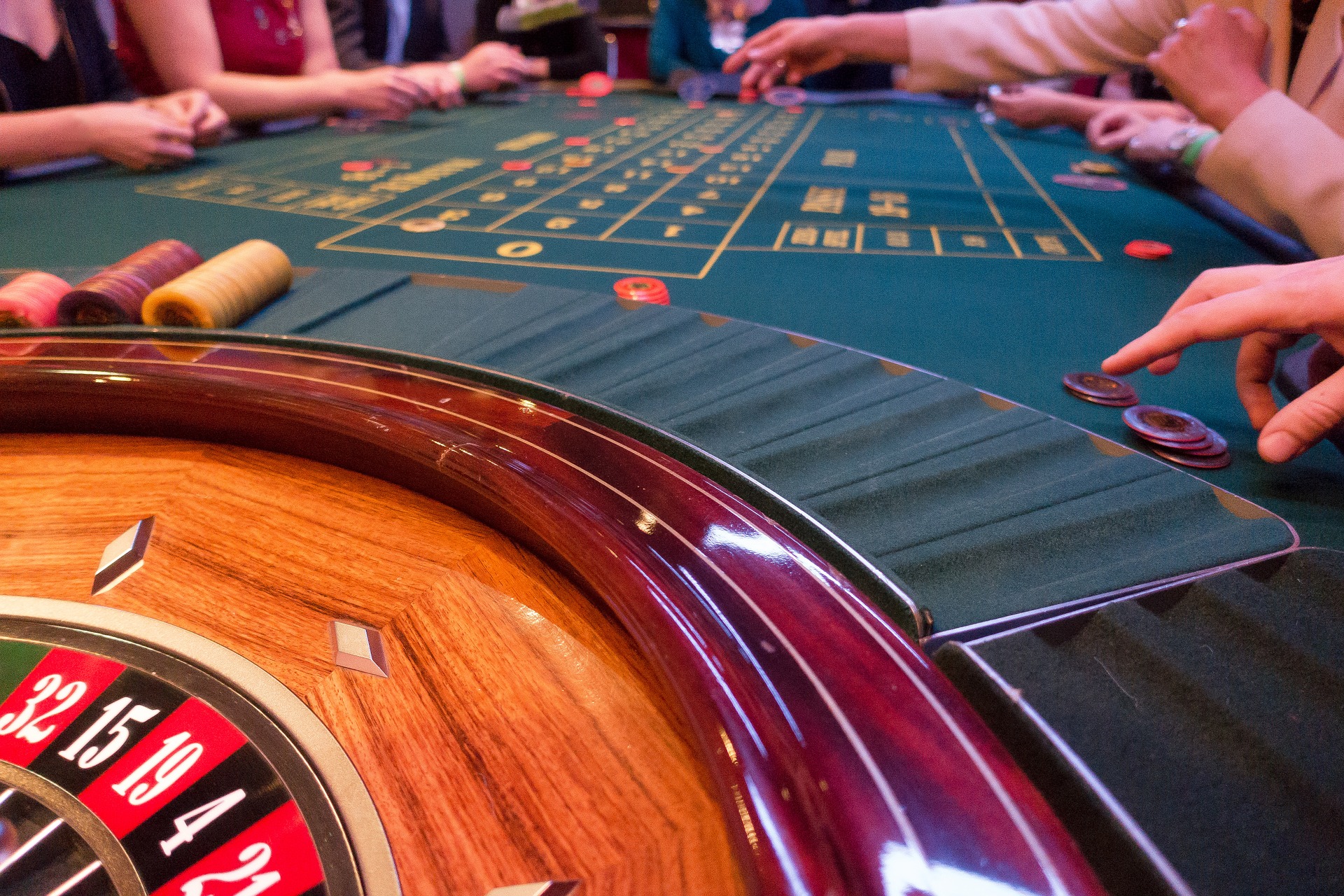
European live dealer tables typically feature a deliberate, structured pace with standardised bet limits and longer decision times, reflecting a preference for calm, methodical play. Conversely, Asian tables emphasise higher-speed, high-action dynamics, with notably faster dealing, shorter betting windows, and rapid round cycles to sustain momentum. This contrast is particularly evident in baccarat and roulette: Asian studios often employ smaller, quicker tables with a noisy, energetic atmosphere, while European studios prioritise formal, unhurried interaction between croupier and players. A key practical distinction is the betting window, often half the duration in Asian variants, demanding quicker hand-eye coordination from remote players.
| Aspect | European Style | Asian Style |
|---|---|---|
| Round speed | Moderate to slow | Fast, with minimal pauses |
| Betting time | 30–60 seconds typical | 15–25 seconds typical |
| Ambiance | Quiet, formal | Lively, high-energy |
| Table layout | Spacious, single player zones | Compact, multiple side bets |
Language-Specific Studios and Multilingual Dealers
Language-specific studios and multilingual dealers directly address regional viewing preferences in live dealer casinos by tailoring the gaming experience. A studio dedicated to a particular language, such as Japanese or German, ensures that the user interface, game rules, and verbal cues from the dealer match native expectations. Multilingual dealers are trained to switch between languages seamlessly, catering to a single table of mixed nationalities without disrupting play. This specialization includes region-appropriate cards, table layouts, and etiquette, creating a culturally coherent environment. Language-specific studios and multilingual dealers eliminate translation delays and miscommunication, providing a seamless, native-feeling interaction for players across different markets.
Language-specific studios deliver fully localized game settings and dealer interactions, while multilingual dealers offer real-time language flexibility at a single table, directly addressing regional linguistic preferences for a smoother live casino experience.
Time Zone Scheduling and Peak Play Hours
When jumping into a live dealer casino, time zone scheduling directly affects how easily you find active tables. Peak play hours for your region often mean more dealers, fuller seats, and faster game starts, while off-peak times might leave you waiting for a blackjack hand. If you’re an early bird or a night owl, checking the lobby for table availability saves you from staring at empty seats. Many platforms now let you filter games by region, so you can match your schedule to a busy European evening or a quiet Asian morning.
- Match your log-in time to peak regional hours for instant table access.
- Use the lobby filters to see which time zones currently have the most active croupiers.
- Off-peak play often means fewer opponents and a more relaxed vibe.
- Check game schedules for special tables running only at specific local times.
Common Pitfalls New Players Encounter
New players often stumble by ignoring the table minimums, sitting down at a high-stakes blackjack table and blowing their bankroll in minutes. Another major trap is chasing losses with bigger bets, convinced the next hand will flip the script, which only accelerates the drain. Many also neglect to check the specific rules—like whether the dealer hits on soft 17—or the game’s speed, getting swept up by the live stream’s energy instead of pausing to place a deliberate wager. Misreading the hit/stand signals or accidentally chatting extra bets to the dealer can also cost you. Stay sharp, know the limits, and don’t let the charismatic dealer rush your decisions.
Overlooking Table Minimums and Maximums
New players often overlook table minimums and maximums in live dealer casino games, leading to frustration. Before sitting, always verify the posted limits—they vary by table and provider. A common mistake is joining a high-limit blackjack table with a $50 minimum, only to find your bankroll depleted after a few losses. Conversely, ignoring a low maximum cap can cap a winning streak prematurely. To avoid this, follow this sequence:
- Locate the limit indicator on the game lobby or table interface.
- Confirm the minimum bet aligns with your session bankroll per hand.
- Check the maximum bet to ensure it accommodates potential betting strategies.
Network Instability During Critical Hands
Network instability during critical hands can instantly turn a promising session into a frustrating loss, as a frozen dealer or delayed action on your double-down forces a missed opportunity. This lag typically strikes when the game clock is ticking on your decision, leaving you unable to place bets or respond to cards. To avoid this, ensure your connection exceeds the recommended bandwidth and use a wired link, as Wi-Fi fluctuations are notorious for dropping out at the worst moment. Ignoring this risk invites automatic stand decisions that can waste your bankroll.
Network instability during critical hands is a silent bankroll killer—losing connection at the dealer’s request instantly forfeits your strategic edge.
Misreading the Betting Timer or Rules
New players often misinterpret the live dealer interface, specifically the critical betting timer, leading to missed rounds or accidental wagers. A countdown does not signal the start of a new hand; it marks the window to place bets before dealing begins. Players rushing to act during the final second may place bets after the timer expires, which the system automatically rejects, wasting their intended wager. Equally, misreading rule overlays—like confusing “Player Pair” with “Perfect Pair”—causes incorrect side bets. The logical flow demands scanning the distinct timer clock and reading rule pop-ups before staking chips.
Q: Why did my bet not register even though I clicked before the timer hit zero?
A: The system processes bets in a queue; if your click arrives after the server closes the round—typically a fraction of a second before the timer visually hits zero—the wager is void.
Future Trends in Immersive Remote Gaming
The next evolution in immersive remote gaming for live dealer casinos will center on tactile feedback and dynamic camera control. Expect haptic gloves and vests to make chip shuffling and card dealing feel physically present, reducing the disconnect caused by a flat screen. Players will also gain the ability to virtually tilt the table or zoom into the dealer’s shoe vision via eye-tracking, creating a true “seat at the table” illusion.
The core insight is that passive streaming will die; future systems will force the casino floor to adapt its lighting and angles in real-time, reflecting individual player movements rather than broadcasting a fixed feed.
This shift requires low-latency volumetric capture, allowing players to lean around obstacles, not just watch a ceiling-mounted camera.
Virtual Reality Integration Without a Headset
Imagine stepping into a live dealer casino without bulky goggles. Headset-free VR integration makes this possible by using your existing screen and dynamic 3D rendering. The dealer appears life-sized on your monitor, while responsive controls let you lean into the action, peek at cards, or rotate the view using just your mouse or touch input. This approach works in a simple sequence: first, the live stream is wrapped in a virtual room; second, your movements translate into natural camera angles; third, real-time audio shifts to match your proximity. It delivers immersion without the hardware hassle.
- Your screen becomes a window into a 3D casino floor.
- Mouse or touch gestures simulate head movement.
- Audio depth adjusts as you “move” closer to the table.
AI-Assisted Dealers and Personalized Experiences
AI acts as an invisible co-pilot for human dealers, analyzing player history mid-session to suggest tailored table rules or bet limits. This creates a hyper-personalized live dealer interaction, where the dealer might verbally react to your past wins or adjust game speed based on your play style. The system does not generate outcomes but curates the atmosphere—like altering camera angles to focus on your preferred spot. How does the AI maintain immersion without breaking the dealer’s flow? It operates via a discrete earpiece, feeding the dealer real-time cues so all personal touches feel organic, not mechanical, keeping the human connection central.
Cross-Platform Leaderboards and Tournaments
Cross-platform leaderboards in live dealer casinos unify player scores from mobile, desktop, and VR sessions into a single ranking, enabling fair competition regardless of device. Tournaments leverage this by hosting timed events like blackjack hands or roulette spins, where points accumulate globally in real-time. Players track rivals’ progress via live feeds, with unified ranking systems ensuring transparency. A key challenge is latency synchronization across platforms to prevent score disputes. This feature deepens engagement without altering core game rules, offering a persistent competitive layer for casual and high-stakes users alike.
| Aspect | Leaderboard Focus | Tournament Focus |
|---|---|---|
| Timeframe | Continuous ranking | Time-limited events |
| Rewards | Status badges | Prize pools |
| Cross-Platform Sync | Real-time score updates | Session-based point capture |
What Exactly Is a Live Dealer Casino and How Does It Work?
The Core Setup: Real Tables, Human Dealers, and Streaming Technology
Differences Between Standard Online Games and Real-Time Hosted Tables
Key Features That Make Live Tables Feel Immersive
Interactive Chat and Real-Time Betting Controls
Multiple Camera Angles and High-Definition Streams
How to Choose the Right Live Game for Your Play Style
